
minizine interviewed Outside Cat over the
summer.
The band provided some follow-up updates afterwards.
Recently-graduated Shane opened
the
door to his unit in a San Francisco duplex and walked up the narrow, carpeted staircase into a corner room.
The
small room is remarkably capacious, just capable of accommodating five people, a small sectional, a modest
Nintendo Switch setup, and a drum kit.
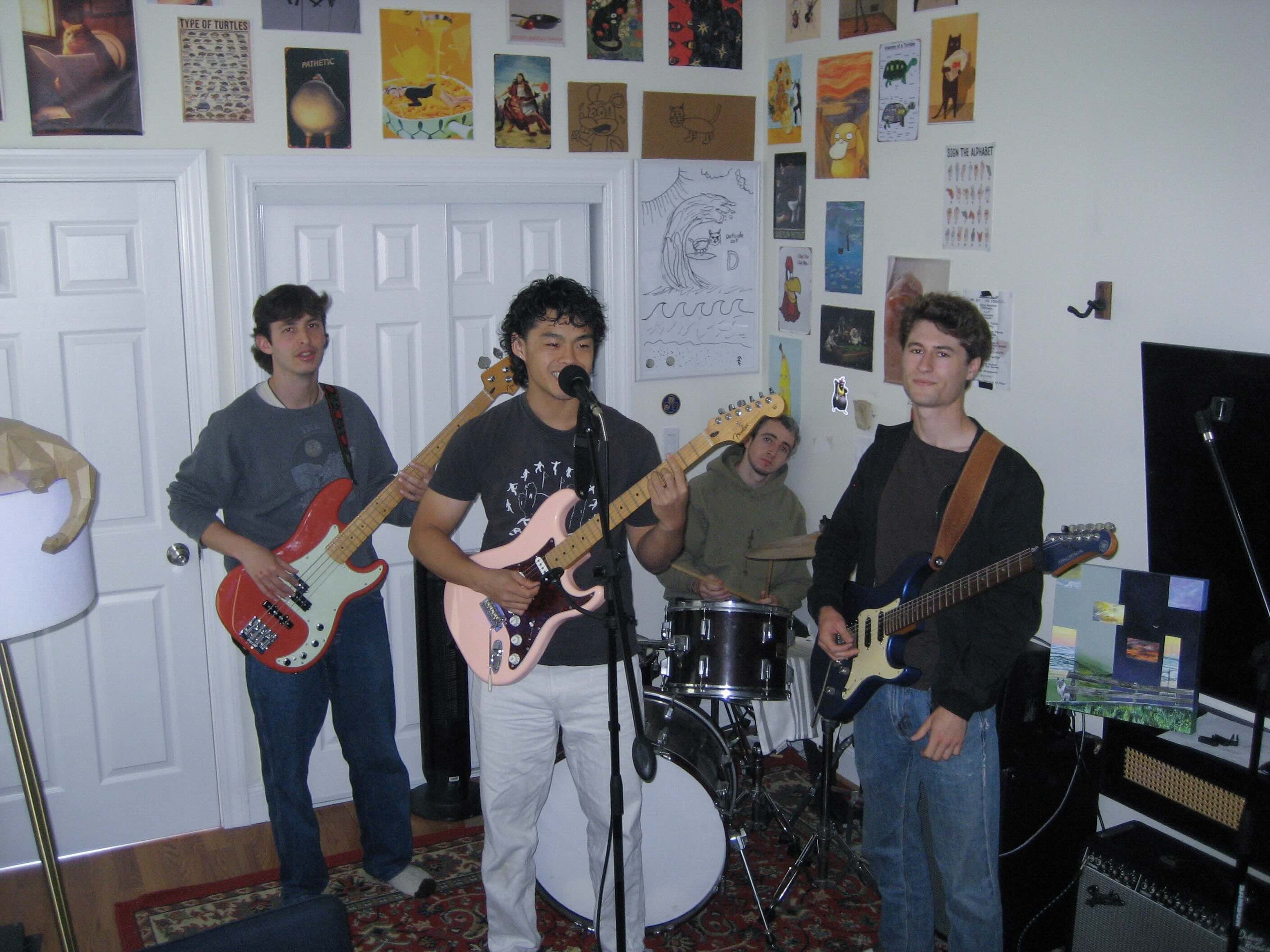
It's here that Shane and three of his four roommates—Joe,
Nathaniel, and former member Max—practiced for Outside Cat,
(Spotify,
Apple Music)
their small band based out of the unit. (Since
speaking with minizine, bassist Bek Allenson replaced Max, who left the band to pursue writing.) The
building
itself exudes quintessential San Franciscan energy, not just from the Victorian architecture and small band practicing
in
the corner room upstairs, but the unexpected neighbors below.
"The people below us, it's this
incubator house," Nathaniel recounts. "They're all doing startups, they're all young…I don't think they
necessarily like [noises from the band's sessions], but I think they like the vibe of it being
crazy."
Outside Cat's earliest rendition was a college band at Duke University. They mostly performed covers of popular songs while its
original members learned play to their instruments.
"It wasn't quite as serious," Nathaniel said.
"We
just kind of played in college together, played in a couple of college parties…we were kind of doing our own
thing. We didn't feel like we could fit in [Duke's music community] at that time."
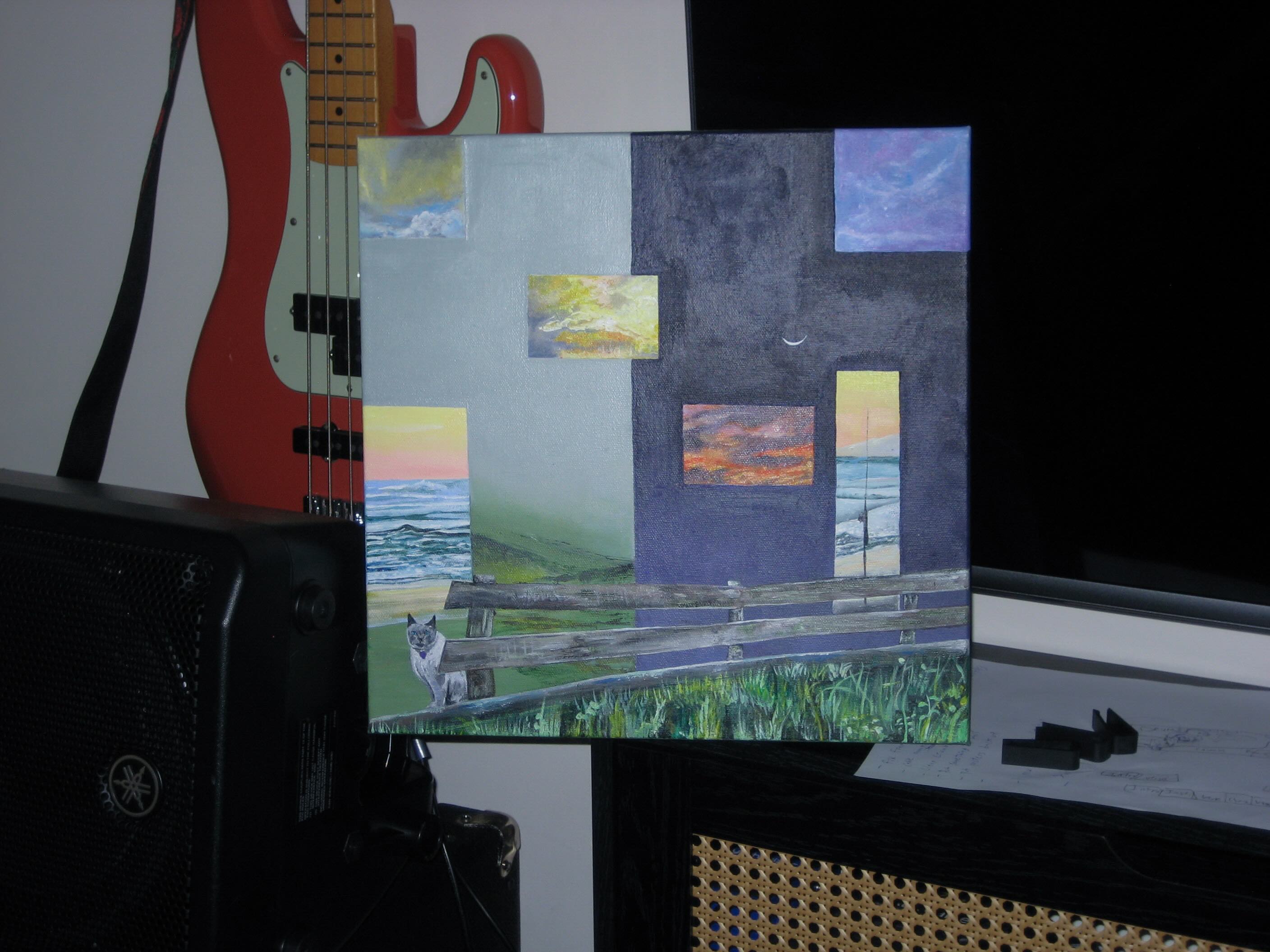 The album cover for the band's eponymous EP, Outside Cat, is a painting from a friend.
Early passions
"During COVID…I was with a friend, and he just gave
me
his guitar,"
Shane said. "He shared how to do a pentatonic scale, and I was just messing around. I was like, 'whoa, why
have
I not played music my whole life? This is awesome.' And from there, I was just kind of obsessed with
it."
When Shane and his original bandmates formed the first band, they found themselves in a
music
scene more classical than their collegiate counterparts; many students at Duke played instruments like the
piano
and sought classical training at the university. Three current Outside Cat members minored in music at Duke,
where one had opportune access to the university's drum practice room, intended for students learning the
instrument.
"Most people didn't have access," Nathaniel said. "So we would practice there. We
would
just go there and wait at night, bring the amps and turn them up all the way."
By chance, Shane,
Joe,
Nathaniel, and Max had the opportunity to move into the duplex together, where they formed Outside Cat. The band has transformed quite a
bit
since then, each member having mastered enough of their instruments to begin composing original music—they
released an eponymous EP in 2024, and Joe and Shane produce their own music under the stage names "Floriculture" (Spotify,
Apple Music)
and "No Call" (Spotify,
Apple Music) repectively.
The band also plans to release a single called "Being Seen Alone" in June.
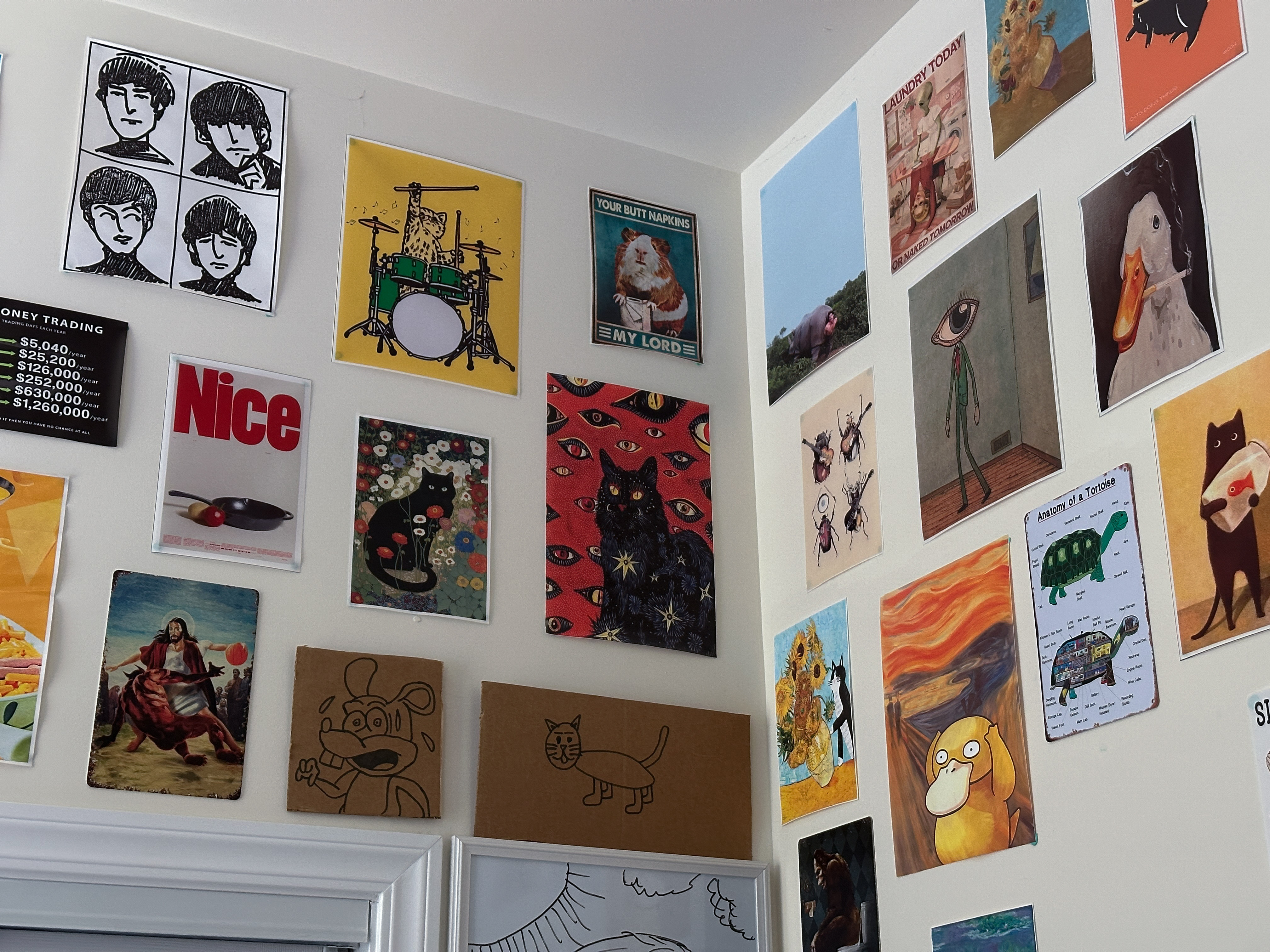 Various art pieces and memes hang above the drum kit in the unit's practice room.
They
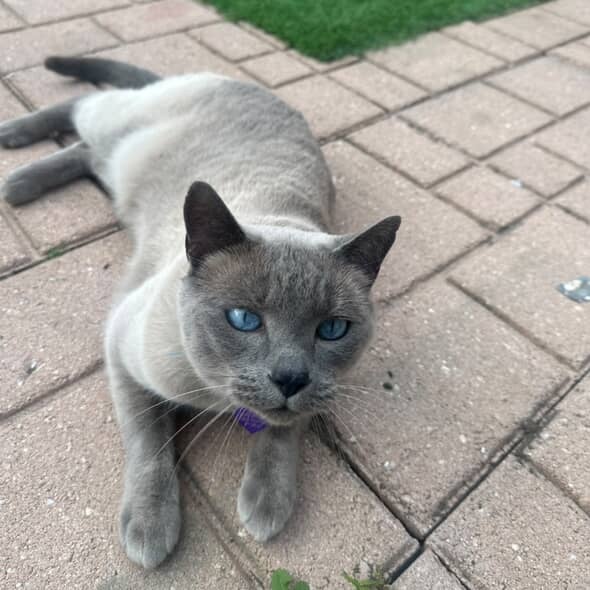
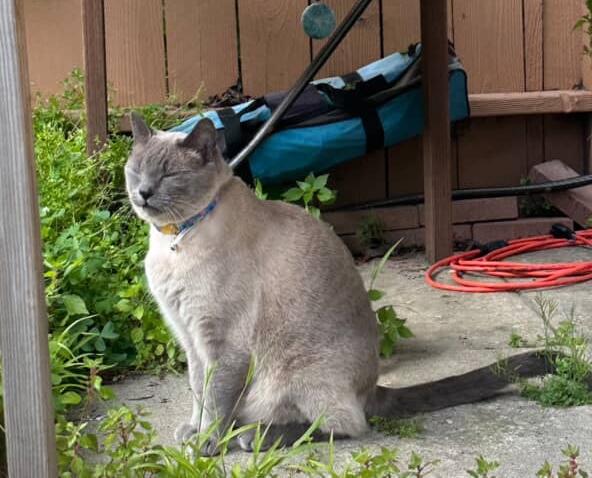
named the band after Magic, a neighbor's cat that visits the house regularly. Outside Cat's public
performances
first began through personal connections, but they soon graduated to bars, landing a first gig at The
Liberties
bar in San Francisco's Mission District after several unsuccessful email and in-person requests at different
establishments.
"The
guys at The Liberties told us to come play the open mic, so we brought all of our shit," Max recounts. "Most
people come to the open mic and have a guitar and sing. We pull up to the open mic with all of our
equipment,
set up, played two songs, then left. We did pretty good; they were like, okay, you guys should come back,
play a
whole set."
That subsequent hour-and-a-half performance became a modestly paid gig: $100 split
four
ways, two drinks each while playing, and dinner afterwards.
Music
for
the sake of
music"I think [The Liberties] liked us because we were cheap," Shane said. "We didn't
really
care about being paid, honestly. That wouldn't have been enough for us to [perform]."
Throughout
their discussion the band returned to a critical motif: to make music because it's
fun. Each bandmate commits a
different amount of time to the hobby—though they question whether to classify such a big personal endeavor
as
one—and insists it's an end goal in and of itself, not the means to a job change or new income stream. And,
as
far as income streams go, their white-collar salaries provide enough cushion to support this
all-encompassing
passion.
"I think these bands…who are like, the gods to us that we are very inspired by, if we
could
even attain like 10% of that success, not just commercially but artistically, I think we would be happy
getting
that," Shane said. "That would not be enough to pay rent in San Francisco. So there is a reality, 'Yeah, it
kind
of sucks [to work and play music separately],' but I also do like my job."
At the house, each of
the
four band members acts like an independent creative catalyst, reminding others to return to music when other
obligations and activities supplant their personal projects. This feedback cycle helps the band improve at a
rapid pace. Just a few years ago some members had no experience with their instruments, and they now perform
comfortably at house shows and in public spaces.
"Having so many people make music, play music
around
me, it's almost a little competitive," Joe said. "It just makes everybody better. Everybody is getting
better
around you, so you want to get better—it pushes you…If I didn't have this environment, I would probably
still be
playing music, but I wouldn't care as much about it."
Given the chance, the four would
wholeheartedly
perform music as a full-time career, but recognize it's a statistically uphill battle to reach a financially
independent state. The overwhelming majority of artists on Spotify make less than a couple thousand dollars
a
year from streams. Shane estimates the band made roughly $50 on Spotify between their first release on the
platform in 2024 and the summer of 2025.
"Our top song has…like, 3,000 streams, and then all the rest of
them are under 1,000." Shane said. "One day, it was like a thousand streams a day or something, and we were
like, 'whoa, we're getting people in Finland, what's going on in Finland?' [Spotify] will show you the
playlists
your songs got put on…and if you look it up, it's so clearly a bot thing…the idea is you then look up the
name
of the person who owns the playlist and there's a site for music promotion or something, they take you off
the
playlist, and then they say, 'if you want to get back on it, you can pay us.'"
With no financial dependence on music, then,
it's no
surprise that Outside Cat's original works feel exploratory and chameleonic, vaguely reminiscent of specific
artists without replicating any one auditory aesthetic. I Can't Go To Sleep (she'll be
in
my dreams) harks back to classic California beach sounds, while Haze
invents an indiscernible melange of styles (boy pablo? Mac DeMarco? WILLOW?). The EP's diverse stylistic
range
is a product of their laid-back, individualist, and feedback-based approach to music; bandmates often
brought
partially-completed music that others would later interpose to create something holistic.
Music in the Mission DistrictThe four live in the city's Mission
District, famous
for its Hispanic population and cultural influence. It's sunny, colorful, and a little gritty, especially in
contrast with bordering Noe Valley, an expensive, hilly neighborhood popular amongst tech workers and
upper-middle-class families.
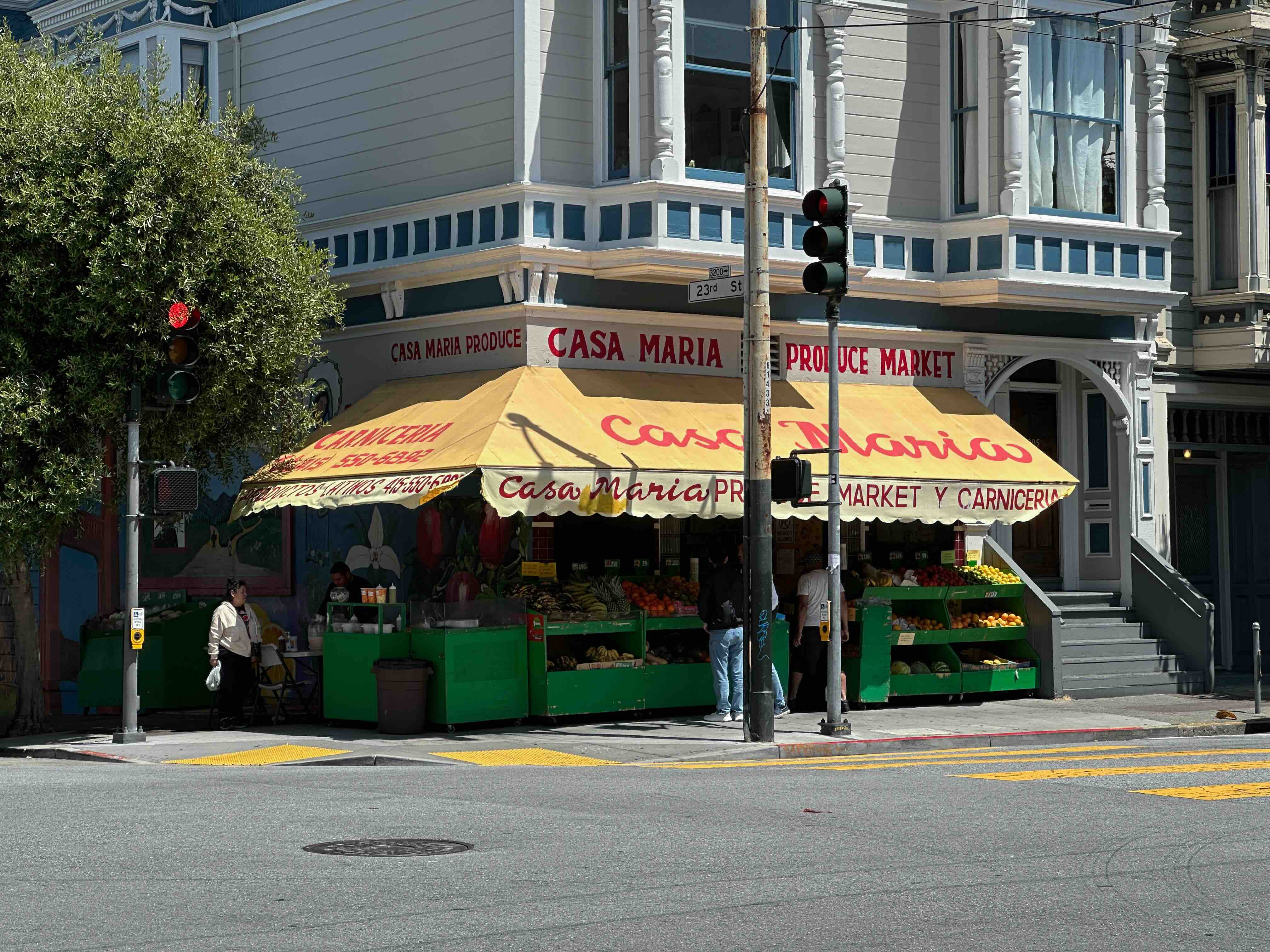 Small grocery stores dot intersections across the Mission District and are a product of the neighborhood's famed Hispanic influence. Many sell produce and meat, as well as a variety of Hispanic and American packaged goods.
"Where we are in San Francisco might be better than some other
neighborhoods," Shane said. "It's not as bad as it used to be, but there's definitely screaming and crazy
people
running around…People have a lot higher tolerance [for the band's noise]. I don't know if we could do this
in
other neighborhoods."
The Mission District is warmer than other parts of the city, so Outside Cat
plays outside regularly. Their spacious backyard has proved suitable for multiple performances, and they've
done
a set in nearby Dolores Park, though a park ranger eventually informed them that it wasn't permitted. The
four
have performed enough times in the backyard for new faces to start appearing: friends of friends and members
of
other bands they'd met previously.
"I love our backyard concerts," Nathaniel said. "Even if I
hated
our music, the backyard concert vibe is just so appealing to me."
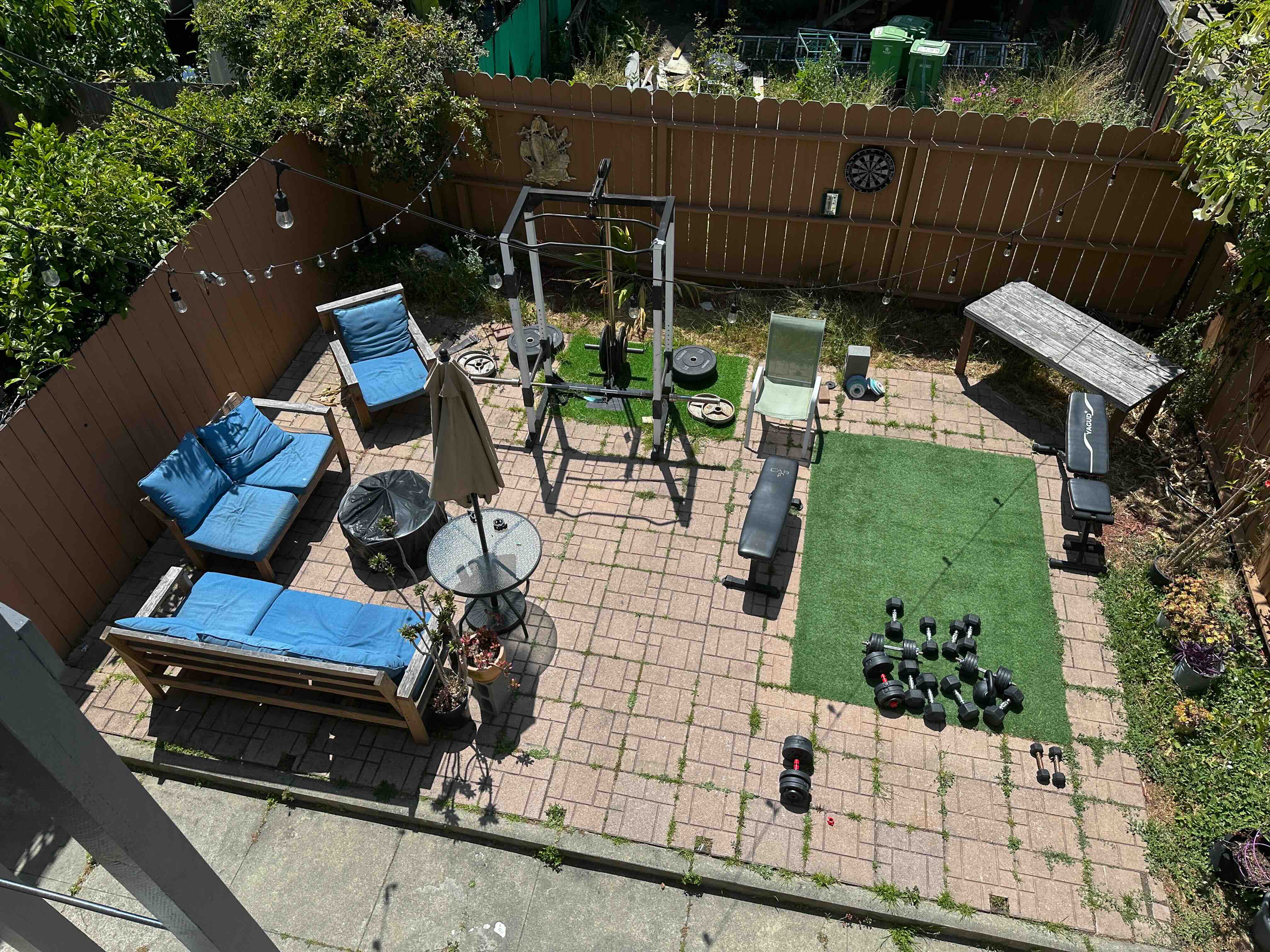 The band converts the large backyard into a performance space for shows.
Outside Cat eventually
performed
covers and tracks from their EP at San Francisco's Porchfest in 2025. The event is an annual neighborhood
staple
during the summer, when homeowners and businesses host artists on their properties during scheduled
performance
windows. The four filled out a simple application and performed on a homeowner's small driveway on 22nd
Street,
near Dolores Park.
"We did a little bit of emailing back and forth with the other [performers
scheduled] at our station about what equipment we were going to share, logistics, and stuff," Max said. "It
was
cool having people use our stuff because I hung around for a while…I met other people making cool music
around
here. The last band that played at our station was a group of probably 50- or 60-year-olds playing heavy
rock."
San Francisco must-visits
There’s a bar called
Horsies down the
street that a lot of artists and photographers hang out at. It’s pretty cool. There are a lot of horses
everywhere. - Max
[At] Land’s End there’s this overlook if you go to
the
end, it overlooks the old baths filled with water. It’s really pretty to go during sunset. - Max
In the Presidio, there’s some nets in the trees in a secret spot
that I
don’t know how to describe. You have to climb up the trees pretty high, like 20 feet, and there are nets in
the
trees you can go lay in. - Max
If you drive about 45 minutes north,
you
can get to
Muir Beach, and you can have bonfires there. It’s a smaller, more intimate beach. It’s really pretty. -
Max
I like Breakfast Little. It’s the best breakfast burrito in the
world.
- Nathaniel
El Carajo. I’m just talking about food. I haven’t eaten
today. - Shane